Porto, Portugal: What to Do, What to Eat, and More!
Plan a Porto getaway with our guide to historic sights, Douro River views, local food, Port wine cellars, where to stay, day trips, and practical travel tips.
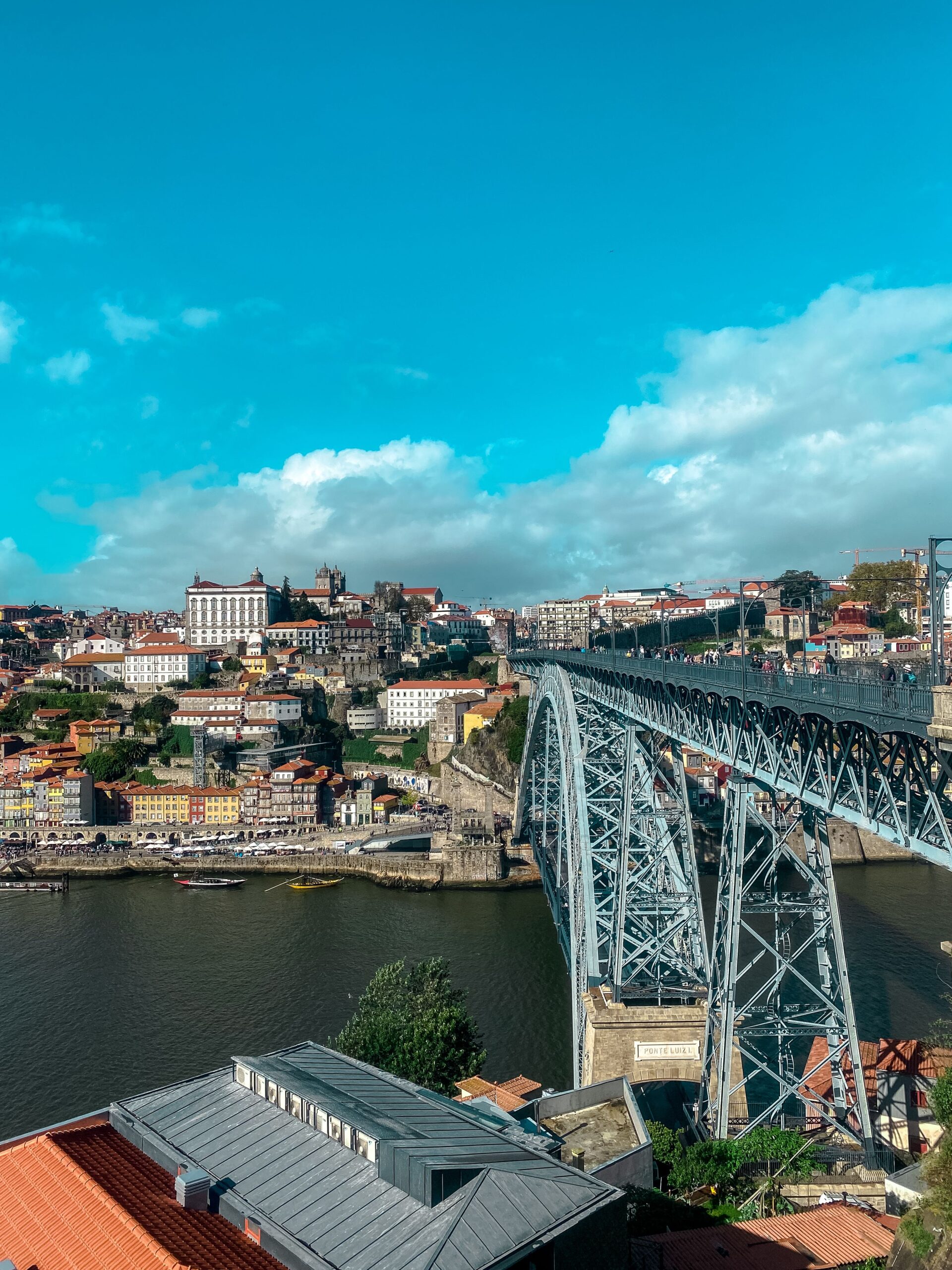
Dreaming of a European city break filled with beautiful architecture, winding streets, incredible food, and unforgettable views? Welcome to Porto! Set along the Douro River in northern Portugal, Porto is a city that combines historic charm with a lively food and wine scene. From the colorful riverside neighborhood of Ribeira to the famous Port wine cellars across the water in Vila Nova de Gaia, there is plenty to discover.
Whether you’re planning a long weekend, adding Porto to a wider Portugal itinerary, or using the city as a starting point to explore the north, this Travel Brats guide covers the best things to do, where to eat, where to stay, nearby day trips, and what to know before you go.
Why Visit Porto?
Porto has a personality all its own. Its historic center climbs steeply above the Douro, with tiled churches, grand railway halls, narrow lanes, and colorful buildings packed along the riverfront. The city is also closely connected to the wine trade that made its name famous, with Port wine lodges lining the Gaia waterfront just across the river.
One of Porto’s biggest advantages is how much variety it offers in a relatively compact area. You can spend the morning exploring historic landmarks, stop for a long Portuguese lunch, cross the bridge for a cellar visit, and finish the day watching the sun set over the river.
The Travel Brats take: Porto is a destination best enjoyed at a relaxed pace. The hills and cobblestones are part of its charm, but they’re also a good reason not to overpack your itinerary. Pick a few must-sees, leave room for spontaneous café stops, and give yourself time to enjoy the views.
Top Things to Do in Porto
Explore the Ribeira District
Start with Ribeira, Porto’s postcard-worthy riverside neighborhood. Its narrow streets and colorful buildings tumble down toward the Douro, where cafés and restaurants line the waterfront. It’s a lovely place to wander, take photographs, and get your bearings in the historic center.
Ribeira is part of Porto’s UNESCO-listed historic landscape, together with the Dom Luís I Bridge and the Monastery of Serra do Pilar. The waterfront can get busy, especially in peak travel months, so consider an early stroll before the terraces fill up.
Walk Across the Dom Luís I Bridge
The double-deck Dom Luís I Bridge is one of Porto’s most recognizable landmarks, connecting the city with Vila Nova de Gaia. Walk across the upper deck for sweeping views over the rooftops and river, or take the lower deck for a closer look at the waterfront. If you have time, experience both perspectives.
Travel Brat tip: Plan your crossing around golden hour and stay on the Gaia side for the changing light over Porto. The Jardim do Morro viewpoint is a popular place to pause and enjoy the panorama.
Admire the Tiles at São Bento Station
Even if you aren’t catching a train, make time to step inside São Bento railway station. Its entrance hall is famous for its blue-and-white azulejo tile panels, which depict scenes from Portuguese history and everyday life. It’s an easy stop to fit into a walking route through the center.
Visit Livraria Lello
Book lovers and architecture fans will want to consider Livraria Lello, the ornate bookshop known for its dramatic staircase and neo-Gothic details. It is one of Porto’s most popular attractions, so check the official visitor information and arrange timed entry in advance if you plan to go inside. If you’re short on time, you can still admire the striking exterior as you explore the surrounding streets.
Climb the Clérigos Tower
For another memorable city view, head to the Clérigos complex and its famous tower. The landmark has shaped Porto’s skyline for centuries, and the climb rewards visitors with a panoramic look across the historic center. Check current ticketing and access information before visiting, especially during busy periods.
Discover Mercado do Bolhão
Mercado do Bolhão is a traditional market in the heart of Porto and a great place to get a feel for the city’s food culture. Browse stalls selling fresh produce, fish, flowers, and local specialties, or stop for a bite while exploring the surrounding shopping streets. Check the market’s current opening days before planning your visit; it is generally closed on Sundays and public holidays.
Spend Time in the Gardens
Need a break from the busy streets? Porto has several lovely green spaces. The gardens of the Palácio de Cristal are a favorite for their landscaped paths, peaceful corners, and beautiful views over the Douro. They’re a welcome place to slow down between sightseeing stops.
Head Out to Foz do Douro
For a different side of the city, make your way to Foz do Douro, where the river meets the Atlantic. The area offers oceanfront promenades, beaches, cafés, and a more relaxed coastal atmosphere. It’s a great choice for a slower afternoon, especially if you want a break from the steep streets of the historic center.
What to See Near Porto
Porto also makes an excellent base for exploring northern Portugal. If you have an extra day or two, consider adding one of these destinations to your itinerary.
Explore the Douro Valley
The Douro Valley is famous for its terraced vineyards, winding river scenery, and wine estates, known as quintas. It is the region most closely associated with Port wine production and makes a memorable day trip for scenery and tastings. You can explore by train, boat, organized tour, or car, but check travel times carefully and book winery visits ahead where required.
If you have the time, consider staying overnight in the valley rather than squeezing everything into a day. The landscape is a highlight in its own right, and a slower visit gives you more time to enjoy the villages and vineyard views.
Visit Guimarães
Often associated with the early history of Portugal, Guimarães is a rewarding day trip for travelers interested in medieval streets, historic architecture, and cultural heritage. Its old town and castle area make for a lovely day of wandering, and it can be reached by train from Porto.
Discover Braga
Braga offers a different atmosphere, with grand religious architecture, lively squares, and a long history. One of its best-known sights is the Bom Jesus do Monte sanctuary, famous for its monumental stairway and hilltop setting. Braga is another northern Portugal destination that can be visited by train.
Spend a Day in Aveiro
South of Porto, Aveiro is known for its canals, colorful moliceiro boats, and Art Nouveau architecture. It makes an easy change of pace from Porto’s hills and historic lanes. You can explore the center on foot, sample local sweets, and enjoy the waterfront before returning to the city.
Where to Eat in Porto
Come hungry! Porto’s food scene is full of hearty northern Portuguese dishes, fresh seafood, traditional cafés, and sweet treats. You’ll find everything from casual neighborhood taverns to polished restaurants, so there’s no shortage of ways to eat well.
Try a Francesinha
You can’t visit Porto without hearing about the francesinha. This famously filling sandwich is layered with meat, covered in melted cheese, and served with a rich sauce that often includes tomato and beer. It is a meal in itself, so arrive hungry. Café Santiago is one of the city’s best-known places to try it, while Time Out’s Porto guide offers more options for comparing local favorites.
Taste Traditional Portuguese Cooking
Look for traditional restaurants and small taverns, often called tascas, serving dishes such as bacalhau (salt cod), grilled fish, pork dishes, and tripas à moda do Porto, a traditional tripe and bean stew associated with the city. Menus vary from place to place, so ask what is especially good that day.
Explore the Seafood Scene in Matosinhos
If seafood is high on your list, consider heading to Matosinhos, a coastal area known for grilled fish and seafood restaurants. It’s a lovely way to combine a meal with a little time by the Atlantic. Check transport options and restaurant opening hours before you go.
Visit a Café or Pastelaria
Make time for a coffee and something sweet. Portuguese cafés and pastelarias are part of everyday life, and you’ll find plenty of places to stop for an espresso, a pastry, or a light snack. Of course, a pastel de nata is always a good idea.
Enjoy Port Wine in Vila Nova de Gaia
Across the river in Vila Nova de Gaia, historic Port wine lodges offer guided visits and tastings that explain how the region’s famous fortified wine is made and aged. Well-known options include Sandeman, Taylor’s, Graham’s, and Ferreira. Each experience is a little different, so compare tour formats and tasting options before booking. If wine isn’t your thing, the Gaia waterfront is still worth visiting for its views back toward Porto.
Travel Brat tip: You do not need to book several cellar tours to enjoy Gaia. Choose one that genuinely interests you, then leave time to walk along the riverfront and enjoy the view.
Where to Stay in Porto
The best area to stay in Porto depends on your budget, how much walking you want to do, and the kind of atmosphere you enjoy. The city is compact, but it is also famously hilly, so check the exact location and the route back to your accommodation before booking.
Baixa and Aliados: Best for First-Time Visitors
The Baixa and Aliados area is a convenient base for a first visit. You’ll be close to major sights, shops, restaurants, and public transportation, with plenty of options across different budgets. It is a practical choice if you want to explore much of central Porto on foot.
Ribeira: Best for River Views and Atmosphere
If waking up near the Douro is part of the dream, consider staying in Ribeira. You’ll be close to the waterfront, historic lanes, and the bridge. The trade-offs are crowds, noise around popular restaurant streets, and steep uphill walks when returning to the upper city.
Cedofeita: Best for a More Local Feel
Cedofeita is a good option if you enjoy independent shops, galleries, cafés, and a neighborhood atmosphere. It is still within reach of the historic center but can feel a little removed from the busiest tourist streets.
Vila Nova de Gaia: Best for Port Cellars and Views
Staying across the river in Gaia can offer beautiful views back toward Porto and convenient access to the wine lodges. Just remember that you’ll be crossing the river to reach many of the city’s main sights, so consider how that fits your plans.
Foz do Douro: Best for a Coastal Stay
If you prefer ocean air and a slower pace, look at Foz do Douro. It’s farther from the historic center, but the seaside setting, promenade, and cafés make it appealing for travelers who want to mix city sightseeing with coastal downtime.
Three-Day Porto Itinerary
Three days is a comfortable starting point for a first visit to Porto. You’ll have time to explore the historic center, enjoy the food scene, cross to Gaia, and add a little breathing room to your schedule.
Day 1: Discover Historic Porto
- Morning: Start at São Bento station, then walk toward the Clérigos area and Livraria Lello. Book any timed-entry attractions in advance.
- Lunch: Stop for a traditional Portuguese meal or try a francesinha if you’re ready for Porto’s famous sandwich.
- Afternoon: Wander the historic lanes toward Ribeira and spend time along the Douro waterfront.
- Evening: Cross the Dom Luís I Bridge or find a riverside spot to enjoy the city as the lights come on.
Day 2: Gaia, Port Wine, and River Views
- Morning: Cross to Vila Nova de Gaia and visit one Port wine lodge for a guided tour or tasting.
- Lunch: Enjoy a relaxed meal along the Gaia waterfront or back in Porto.
- Afternoon: Walk the riverfront and make your way to Jardim do Morro or the Serra do Pilar viewpoint.
- Evening: Return to Porto for dinner and explore the lively streets around the center.
Day 3: Markets, Gardens, and the Coast
- Morning: Browse Mercado do Bolhão and explore the surrounding shopping streets.
- Lunch: Head toward Foz or Matosinhos for seafood and a change of scenery.
- Afternoon: Enjoy the Atlantic promenade, or return to the city for a slower visit to the Palácio de Cristal gardens.
- Evening: Choose one final Portuguese meal and make time for a café or pastry stop.
Have more time? Use an extra day for the Douro Valley, Guimarães, Braga, or Aveiro rather than trying to squeeze every excursion into the same trip.
Budgeting for Your Trip
Porto can work for a range of travel budgets, but your biggest costs will usually be accommodation, dining, and paid experiences. Prices change by season and demand, so compare current rates before setting your budget.
Budget-Friendly Travel
- Stay slightly outside the busiest riverfront streets and compare the total cost of accommodation, including taxes and fees.
- Make the most of free experiences, including walking the historic center, crossing the Dom Luís I Bridge, and enjoying the city’s viewpoints and public gardens.
- Mix restaurant meals with café breakfasts, market stops, and casual local eateries.
- Use public transportation for longer journeys rather than relying on taxis for every trip.
- Choose one paid cellar tour or attraction that interests you most, then enjoy the many free sights around it.
Midrange Getaway
A midrange trip might include a centrally located hotel or guesthouse, a mix of casual and sit-down meals, a Port wine tasting, and a few paid attractions. Staying somewhere convenient can also save time and transport costs.
Splurge-Worthy Weekend
If you’re celebrating a special occasion, consider a boutique hotel with river views, a special meal, a private wine experience, or a day trip into the Douro Valley. Porto is a wonderful place to slow down and make a few experiences the focus of your trip.
The Travel Brats rule: Spend on the experiences you’ll remember, and save on the things that don’t matter as much to you.
Know Before You Go
- Best time to visit: Spring and early autumn are often lovely times to explore, with generally comfortable conditions for walking. Summer is busier, while the cooler months can bring more rain. Check the forecast close to your trip.
- Ideal trip length: Two full days covers many of the central highlights, while three days gives you time for Gaia, the coast, and a more relaxed pace. Add extra days for the Douro Valley or other northern Portugal excursions.
- Getting around: Porto’s historic center is very walkable, but it is steep and cobbled. Comfortable shoes are essential. Use the metro, buses, or other public transport for longer distances.
- Airport transfers: Porto Airport is connected to the city by Metro Line E (the purple line). Check the airport’s official public transportation page for current schedules and service details.
- What to pack: Comfortable walking shoes, layers, a light rain jacket, and a small day bag are useful. Even in warmer months, evenings by the river or coast can feel cooler.
- Reservations: Book timed-entry attractions, popular restaurants, and Port cellar tours ahead when possible. Always confirm opening days and hours directly with the venue.
- Local etiquette: Be polite, greet people when entering smaller shops or cafés, and take your time over meals. A few Portuguese phrases, such as obrigado/obrigada (thank you), are always appreciated.
Porto FAQs
Is Porto worth visiting?
Absolutely! Porto is a wonderful destination for travelers who enjoy history, architecture, food, wine, river views, and exploring on foot. It also makes a great starting point for discovering northern Portugal.
How many days do you need in Porto?
Two days is enough to see many of the main sights, but three days is ideal for a more relaxed first visit. Stay longer if you want to take a day trip to the Douro Valley, Braga, Guimarães, or Aveiro.
Is Porto walkable?
Yes, especially the historic center, but be prepared for hills, stairs, and cobblestone streets. Comfortable shoes make a big difference, and public transportation is useful for reaching areas farther from the center.
Do you need a car in Porto?
No car is needed for exploring central Porto. The metro and buses are useful for longer trips, and trains make several nearby destinations accessible. A rental car can be helpful for a more flexible Douro Valley road trip, but it is not necessary for a city break.
Is Porto expensive?
Porto offers options for different budgets. You can enjoy many of its best-known views and historic streets for free, while accommodation, guided tours, and dining choices will shape the overall cost. Booking ahead and traveling outside the busiest periods may help you find better value.
Can you visit the Douro Valley from Porto?
Yes. The Douro Valley is a popular day trip from Porto, with options to travel by train, boat, car, or organized tour. If you want to visit specific wine estates, check their location and book tastings in advance.
Is Porto Worth the Trip?
Porto is the kind of city that stays with you. It’s beautiful without feeling like it is trying too hard, full of history without feeling frozen in time, and a destination where a memorable day can be as simple as wandering the old streets, sharing a great meal, and watching the river change color at sunset.
Whether you come for the architecture, the food, the Port wine, or the chance to explore more of northern Portugal, Porto offers plenty of reasons to stay a little longer. Use the city as your base, take a day trip if you can, and leave enough room in your plans for the unexpected.
Happy travels, Travel Brats!
Ready to plan your Porto getaway? The Travel Brats can help you build a trip around your budget, travel style, and must-see experiences. Visit The Travel Brats for more travel inspiration, destination guides, and trip-planning tips.