
From colourful historic streets and sweeping Douro River views to memorable local food and world-famous Port wine, Porto is a city made for exploring. Use this guide to plan what to see, where to eat and which neighbourhood makes the best base.
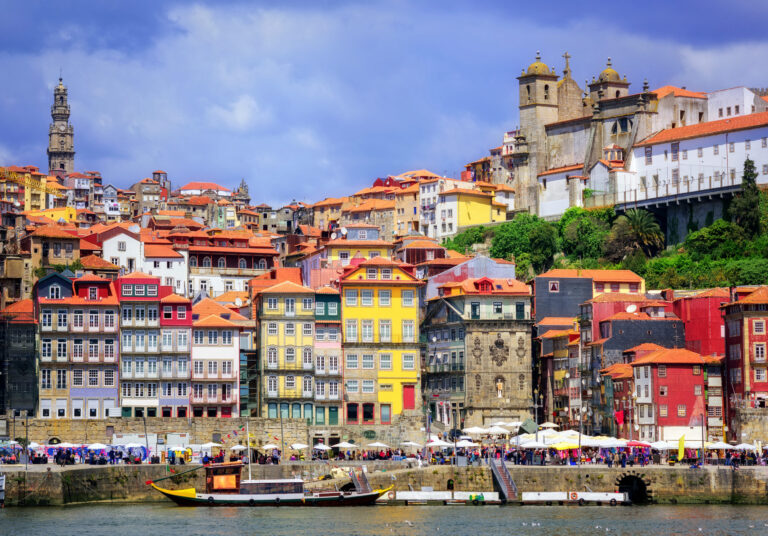
Start in Porto's postcard-perfect riverside district, where colourful historic buildings line the Douro and cafés spill onto the quays. It is especially lovely in the late afternoon, when the riverfront comes alive.
Free to explore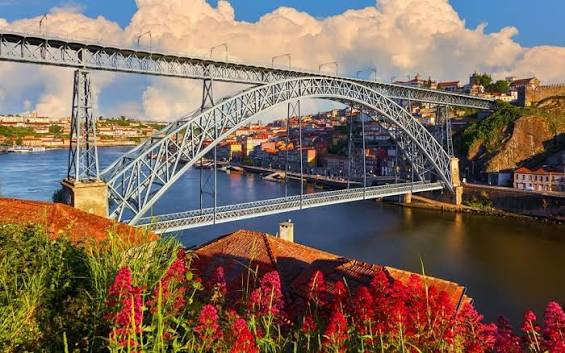
Walk across this iconic double-deck iron bridge for sweeping views of Porto, the Douro and Vila Nova de Gaia. The upper deck is a memorable way to reach Gaia and its viewpoints.
Free to walk across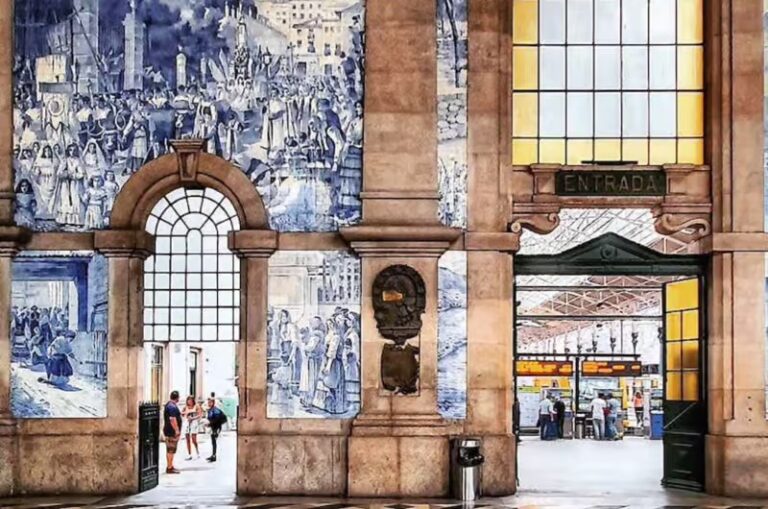
Step inside to see the station's famous azulejo tile panels, which depict scenes from Portuguese history and everyday life. Even if you are not catching a train, it is worth a stop.
Free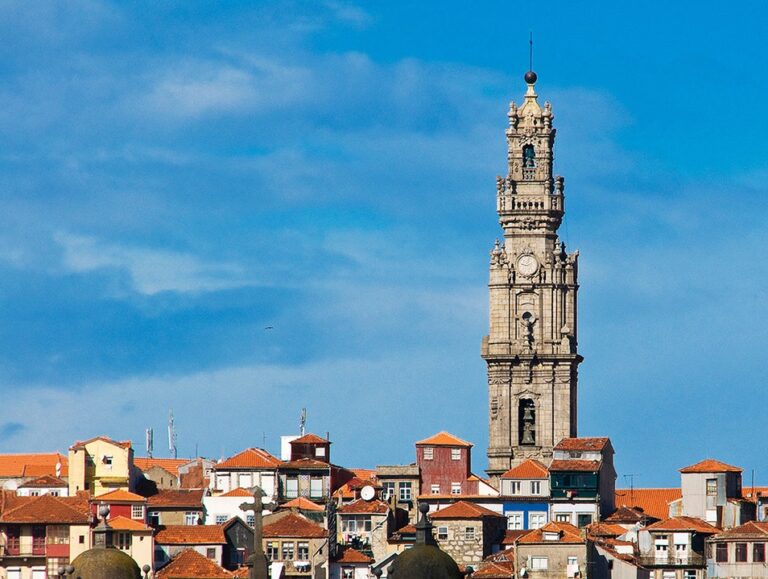
The climb rewards you with one of Porto's best elevated views across the rooftops and river. Check ticket availability and opening times before you go.
Paid admission
Known for its ornate staircase and richly detailed interior, this historic bookshop is one of Porto's most photographed stops. Entry is ticketed and timed, so reserve in advance if it is on your list.
Timed ticket required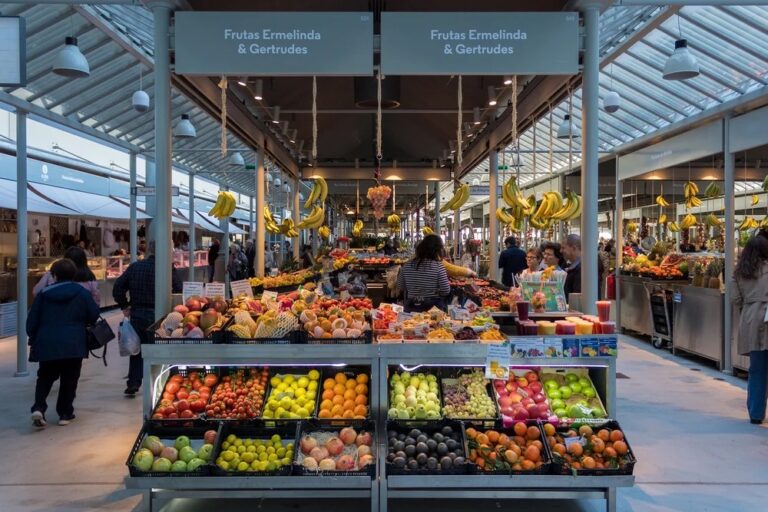
Visit this landmark market for fresh produce, local specialties, flowers and a taste of everyday Porto. It is a great place to browse and pick up something delicious between sightseeing stops.
Free entry; food purchases extra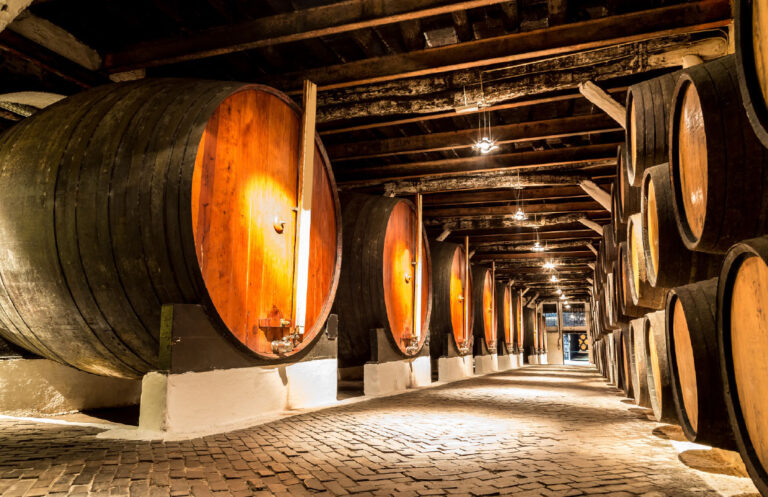
Cross the river to explore the historic cellars where Port wine is aged. Guided tours and tastings introduce you to the styles and history of this wine region; book a tour that suits your interests.
Paid tours and tastings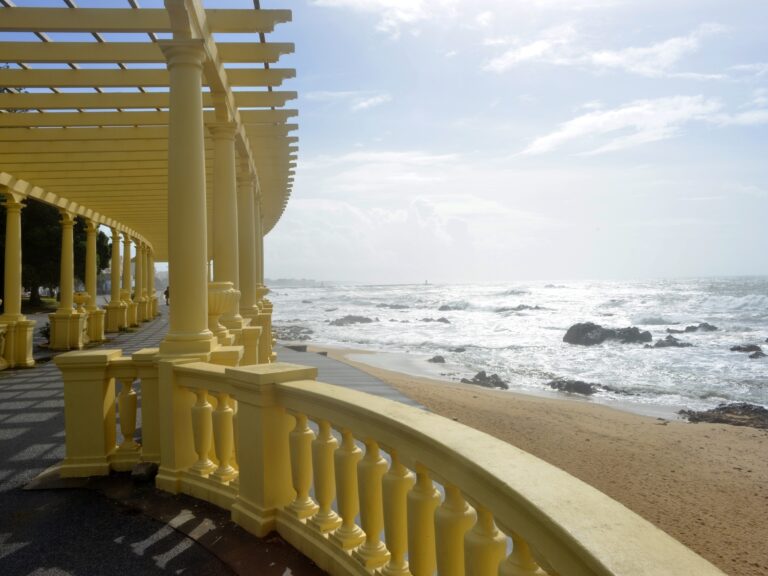
Head west to Foz do Douro for ocean views, a seaside promenade and a slower pace away from the busiest historic streets. It is a lovely change of scenery if you have an extra half-day.
Free to exploreA classic stop for Porto's signature francesinha, a hearty sandwich layered with meat, covered in melted cheese and served with a rich beer-and-tomato sauce. Expect it to be popular at peak meal times.
Known for its sandes de pernil, a roast pork sandwich that makes an excellent casual lunch. Add the local sheep's cheese if you want the richer version.
A small, intimate restaurant in the Ribeira area serving traditional Portuguese cooking and seafood. It is a good choice for a special meal; reserve ahead because seating is limited.
More than a market, this is a handy stop for grazing, browsing local ingredients and trying different bites in one place. Opening days and individual stall hours can vary.
For grilled fish and seafood, make a trip to nearby Matosinhos, where seafood restaurants are a local draw. Choose a busy spot and check opening hours before making the trip.
The best all-round base for a first visit, with central sights, restaurants, shopping and metro connections within easy reach. A practical choice if you have only a few days.
Open linkChoose Ribeira for postcard river views, historic lanes and atmosphere right on the Douro. It is beautiful but busy, with steep cobbled streets and potentially more evening noise.
Open linkA creative, café-filled area with galleries and independent shops. It offers a more local feel while keeping the historic centre within reach on foot or by transit.
Open linkStay across the river for views back towards Porto and easy access to the Port wine lodges. Remember that Gaia is a separate city on the south bank, connected by the bridge and transit.
Open linkA good fit if you prefer a coastal atmosphere, beaches and seaside walks over being in the middle of the historic sights. You will need public transport or a taxi to reach the old town.
Open linkIdeally, plan for 2–3 days in Porto. This gives you enough time to explore the historic city centre, cross the Dom Luís I Bridge, visit the port wine cellars in Vila Nova de Gaia, enjoy the local food scene, and take in the beautiful Douro River views. Add another day if you'd like to take a day trip to the Douro Valley.
Yes! Porto is generally considered a safe destination for visitors. As with any popular tourist city, be mindful of pickpockets in crowded areas, keep an eye on your belongings, and avoid leaving valuables unattended.
Yes, English is widely spoken in tourist areas, hotels, restaurants, and popular attractions. However, learning a few basic Portuguese phrases is always appreciated and can make your experience more enjoyable.
Portugal uses the euro (€). Credit and debit cards are widely accepted, but it's a good idea to carry some cash for smaller cafés, markets, and independent businesses.
The Metro is one of the easiest and most affordable options. Line E (the purple line) connects Francisco Sá Carneiro Airport to central Porto. Depending on your destination, the journey generally takes around 25–35 minutes.
Absolutely! Porto is welcoming, relatively easy to navigate, and full of cafés, walking tours, food experiences, and cultural attractions. It's a wonderful destination for solo travelers looking to explore at their own pace.